Buy interior-designer.eu ?
We are moving the project
interior-designer.eu .
Are you interested in purchasing the domain
interior-designer.eu ?
domain@kv-gmbh.de · 0541-91531010
Buy interior-designer.eu ?
Does the commandment "Thou shalt not kill" only apply to humans?
The commandment "Thou shalt not kill" is generally understood to apply to all forms of life, not just humans. It is a moral principle that emphasizes the sanctity of life and the importance of respecting and preserving it. This commandment is often interpreted to mean that one should not unjustly take the life of any living being, whether it be a human, animal, or any other form of life. **
What is the meaning of the commandment "Thou shalt not kill"?
The commandment "Thou shalt not kill" is a fundamental principle in many religious and ethical traditions, including Christianity and Judaism. It is a directive to respect and value human life, and to refrain from taking the life of another person unjustly. This commandment is often interpreted as prohibiting not only physical killing, but also actions that harm or diminish the dignity of others. It serves as a moral guideline for promoting peace, compassion, and the protection of human life. **

Similar search terms for Shalt
Top-Angebote
Products related to Shalt:
-
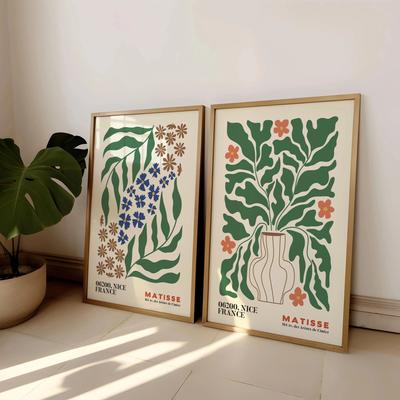
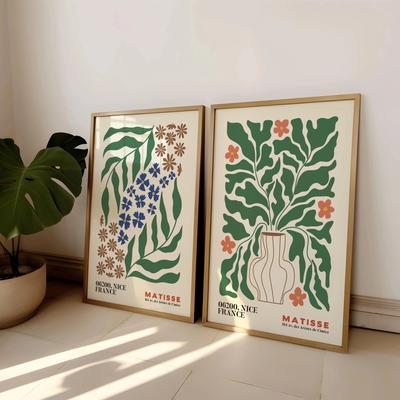
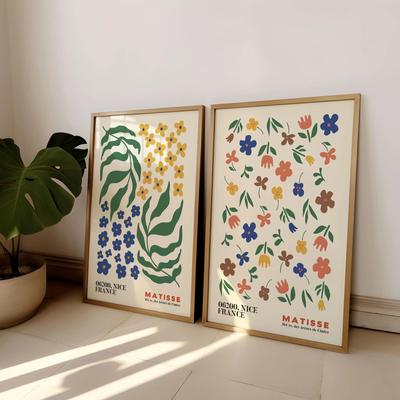
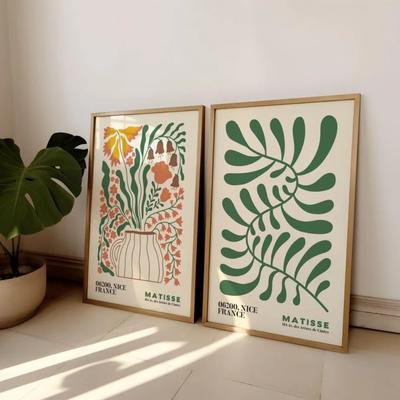
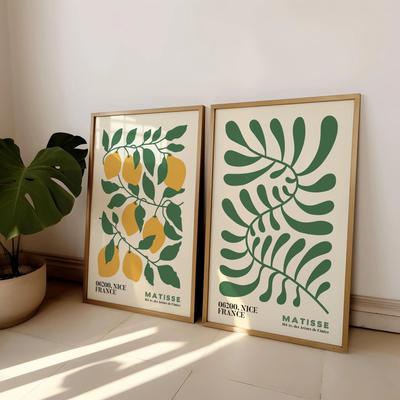
Uplift Picks Matisse Wall Art Bohemian Floral Prints Mid Century Modern Minimalist Set 03 30x40 CmRefresh your space with timeless elegance using this stunning Matisse wall art set inspired by iconic artistic style. These bohemian floral prints bring a soft, creative energy that instantly enhances any room. Designed for lovers of modern and...51,48 $*Shipping: 0,00 $Secure redirect to the provider
-
Uplift Picks Matisse Wall Art Bohemian Floral Prints Mid Century Modern Minimalist Set 05 40x60 CmRefresh your space with timeless elegance using this stunning Matisse wall art set inspired by iconic artistic style. These bohemian floral prints bring a soft, creative energy that instantly enhances any room. Designed for lovers of modern and...51,48 $*Shipping: 0,00 $Secure redirect to the provider
-
Uplift Picks Matisse Wall Art Bohemian Floral Prints Mid Century Modern Minimalist Set 02 50x70 CmRefresh your space with timeless elegance using this stunning Matisse wall art set inspired by iconic artistic style. These bohemian floral prints bring a soft, creative energy that instantly enhances any room. Designed for lovers of modern and...51,48 $*Shipping: 0,00 $Secure redirect to the provider
-
Uplift Picks Matisse Wall Art Bohemian Floral Prints Mid Century Modern Minimalist Set 04 30x40 CmRefresh your space with timeless elegance using this stunning Matisse wall art set inspired by iconic artistic style. These bohemian floral prints bring a soft, creative energy that instantly enhances any room. Designed for lovers of modern and...51,48 $*Shipping: 0,00 $Secure redirect to the provider
-
Are contemporary plays modern?
Contemporary plays can be considered modern in the sense that they reflect current societal issues, values, and cultural norms. They often incorporate modern technology, language, and themes that are relevant to today's audience. However, the term "modern" can also refer to a specific historical period in theater, typically the late 19th and early 20th centuries, so in that sense, contemporary plays may not be considered modern. Overall, the classification of contemporary plays as modern depends on the context and definition being used. **
-
What do you think of the commandment "Thou shalt not commit adultery"?
As an AI language model, I don't have personal beliefs or opinions. However, the commandment "Thou shalt not commit adultery" is a moral and ethical guideline that is found in various religious and cultural traditions. It is meant to promote fidelity and respect within relationships and to protect the sanctity of marriage. Adhering to this commandment can help to maintain trust and stability within families and communities. However, interpretations and adherence to this commandment may vary depending on individual beliefs and cultural contexts. **
-
Why do Christians eat meat even though it says "Thou shalt not kill"?
Many Christians interpret the commandment "Thou shalt not kill" as a prohibition against murder rather than against all forms of killing, including the killing of animals for food. They believe that God has given humans dominion over animals and that it is acceptable to use them for sustenance. Additionally, some Christians point to passages in the Bible that discuss the consumption of meat, such as the story of the prodigal son and the teachings of the apostle Paul, as evidence that eating meat is permissible. Ultimately, the decision to eat meat is a personal and theological one for Christians, and interpretations of the commandment may vary among different denominations and individuals. **
-
Is there a commandment in the Bible that says "Thou shalt not kill"?
Yes, the commandment "Thou shalt not kill" is found in the Bible in the book of Exodus, specifically in Exodus 20:13. This commandment is one of the Ten Commandments given to Moses by God on Mount Sinai. It is a fundamental moral principle that prohibits the unjust taking of human life. This commandment has been interpreted and followed by various religious traditions and has had a significant impact on ethical and legal systems around the world. **


What are the social and ecological consequences of the commandment "Thou shalt not kill"?
The commandment "Thou shalt not kill" has significant social and ecological consequences. Socially, it promotes a culture of non-violence and respect for life, which can lead to more peaceful and harmonious societies. It also encourages empathy and compassion towards all living beings, fostering a sense of interconnectedness and responsibility towards others. Ecologically, this commandment can lead to a greater respect for the natural world and its inhabitants, contributing to the preservation of biodiversity and the protection of ecosystems. It can also influence ethical considerations in areas such as animal welfare and conservation efforts. **
Is "Thou shalt not build me a house" really stated in the biblical scriptures?
The phrase "Thou shalt not build me a house" is not explicitly stated in the biblical scriptures. However, there are passages in the Bible where God tells certain individuals not to build a house for Him. For example, in 1 Chronicles 17:4-6, God tells King David through the prophet Nathan that he is not the one to build a house for God, but that his son Solomon will do so. This is where the idea of "Thou shalt not build me a house" may have originated from, but the exact phrase is not found in the scriptures. **
Top-Angebote
Products related to Shalt:
-
Uplift Picks Matisse Wall Art Bohemian Floral Prints Mid Century Modern Minimalist Set 03 20x30 CmRefresh your space with timeless elegance using this stunning Matisse wall art set inspired by iconic artistic style. These bohemian floral prints bring a soft, creative energy that instantly enhances any room. Designed for lovers of modern and...51,48 $*Shipping: 0,00 $Secure redirect to the provider
-
Uplift Picks Matisse Wall Art Bohemian Floral Prints Mid Century Modern Minimalist Set 02 40x60 CmRefresh your space with timeless elegance using this stunning Matisse wall art set inspired by iconic artistic style. These bohemian floral prints bring a soft, creative energy that instantly enhances any room. Designed for lovers of modern and...51,48 $*Shipping: 0,00 $Secure redirect to the provider
-
Uplift Picks Matisse Wall Art Bohemian Floral Prints Mid Century Modern Minimalist Set 03 30x40 CmRefresh your space with timeless elegance using this stunning Matisse wall art set inspired by iconic artistic style. These bohemian floral prints bring a soft, creative energy that instantly enhances any room. Designed for lovers of modern and...51,48 $*Shipping: 0,00 $Secure redirect to the provider
-
Uplift Picks Matisse Wall Art Bohemian Floral Prints Mid Century Modern Minimalist Set 05 40x60 CmRefresh your space with timeless elegance using this stunning Matisse wall art set inspired by iconic artistic style. These bohemian floral prints bring a soft, creative energy that instantly enhances any room. Designed for lovers of modern and...51,48 $*Shipping: 0,00 $Secure redirect to the provider
-
Does the commandment "Thou shalt not kill" only apply to humans?
The commandment "Thou shalt not kill" is generally understood to apply to all forms of life, not just humans. It is a moral principle that emphasizes the sanctity of life and the importance of respecting and preserving it. This commandment is often interpreted to mean that one should not unjustly take the life of any living being, whether it be a human, animal, or any other form of life. **
-
What is the meaning of the commandment "Thou shalt not kill"?
The commandment "Thou shalt not kill" is a fundamental principle in many religious and ethical traditions, including Christianity and Judaism. It is a directive to respect and value human life, and to refrain from taking the life of another person unjustly. This commandment is often interpreted as prohibiting not only physical killing, but also actions that harm or diminish the dignity of others. It serves as a moral guideline for promoting peace, compassion, and the protection of human life. **
-
Are contemporary plays modern?
Contemporary plays can be considered modern in the sense that they reflect current societal issues, values, and cultural norms. They often incorporate modern technology, language, and themes that are relevant to today's audience. However, the term "modern" can also refer to a specific historical period in theater, typically the late 19th and early 20th centuries, so in that sense, contemporary plays may not be considered modern. Overall, the classification of contemporary plays as modern depends on the context and definition being used. **
-
What do you think of the commandment "Thou shalt not commit adultery"?
As an AI language model, I don't have personal beliefs or opinions. However, the commandment "Thou shalt not commit adultery" is a moral and ethical guideline that is found in various religious and cultural traditions. It is meant to promote fidelity and respect within relationships and to protect the sanctity of marriage. Adhering to this commandment can help to maintain trust and stability within families and communities. However, interpretations and adherence to this commandment may vary depending on individual beliefs and cultural contexts. **
Similar search terms for Shalt
-
Uplift Picks Matisse Wall Art Bohemian Floral Prints Mid Century Modern Minimalist Set 02 50x70 CmRefresh your space with timeless elegance using this stunning Matisse wall art set inspired by iconic artistic style. These bohemian floral prints bring a soft, creative energy that instantly enhances any room. Designed for lovers of modern and...51,48 $*Shipping: 0,00 $Secure redirect to the provider
-
Uplift Picks Matisse Wall Art Bohemian Floral Prints Mid Century Modern Minimalist Set 04 30x40 CmRefresh your space with timeless elegance using this stunning Matisse wall art set inspired by iconic artistic style. These bohemian floral prints bring a soft, creative energy that instantly enhances any room. Designed for lovers of modern and...51,48 $*Shipping: 0,00 $Secure redirect to the provider
-
Uplift Picks Matisse Wall Art Bohemian Floral Prints Mid Century Modern Minimalist Set 05 30x40 CmRefresh your space with timeless elegance using this stunning Matisse wall art set inspired by iconic artistic style. These bohemian floral prints bring a soft, creative energy that instantly enhances any room. Designed for lovers of modern and...51,48 $*Shipping: 0,00 $Secure redirect to the provider
-
Uplift Picks Matisse Wall Art Bohemian Floral Prints Mid Century Modern Minimalist Set 01 30x40 CmRefresh your space with timeless elegance using this stunning Matisse wall art set inspired by iconic artistic style. These bohemian floral prints bring a soft, creative energy that instantly enhances any room. Designed for lovers of modern and...51,48 $*Shipping: 0,00 $Secure redirect to the provider
-
Why do Christians eat meat even though it says "Thou shalt not kill"?
Many Christians interpret the commandment "Thou shalt not kill" as a prohibition against murder rather than against all forms of killing, including the killing of animals for food. They believe that God has given humans dominion over animals and that it is acceptable to use them for sustenance. Additionally, some Christians point to passages in the Bible that discuss the consumption of meat, such as the story of the prodigal son and the teachings of the apostle Paul, as evidence that eating meat is permissible. Ultimately, the decision to eat meat is a personal and theological one for Christians, and interpretations of the commandment may vary among different denominations and individuals. **
-
Is there a commandment in the Bible that says "Thou shalt not kill"?
Yes, the commandment "Thou shalt not kill" is found in the Bible in the book of Exodus, specifically in Exodus 20:13. This commandment is one of the Ten Commandments given to Moses by God on Mount Sinai. It is a fundamental moral principle that prohibits the unjust taking of human life. This commandment has been interpreted and followed by various religious traditions and has had a significant impact on ethical and legal systems around the world. **
-
What are the social and ecological consequences of the commandment "Thou shalt not kill"?
The commandment "Thou shalt not kill" has significant social and ecological consequences. Socially, it promotes a culture of non-violence and respect for life, which can lead to more peaceful and harmonious societies. It also encourages empathy and compassion towards all living beings, fostering a sense of interconnectedness and responsibility towards others. Ecologically, this commandment can lead to a greater respect for the natural world and its inhabitants, contributing to the preservation of biodiversity and the protection of ecosystems. It can also influence ethical considerations in areas such as animal welfare and conservation efforts. **
-
Is "Thou shalt not build me a house" really stated in the biblical scriptures?
The phrase "Thou shalt not build me a house" is not explicitly stated in the biblical scriptures. However, there are passages in the Bible where God tells certain individuals not to build a house for Him. For example, in 1 Chronicles 17:4-6, God tells King David through the prophet Nathan that he is not the one to build a house for God, but that his son Solomon will do so. This is where the idea of "Thou shalt not build me a house" may have originated from, but the exact phrase is not found in the scriptures. **
* All prices are inclusive of VAT and, if applicable, plus shipping costs. The offer information is based on the details provided by the respective shop and is updated through automated processes. Real-time updates do not occur, so deviations can occur in individual cases. ** Note: Parts of this content were created by AI.