Buy interior-designer.eu ?
We are moving the project
interior-designer.eu .
Are you interested in purchasing the domain
interior-designer.eu ?
domain@kv-gmbh.de · 0541-91531010
Buy interior-designer.eu ?
Do some weekdays come from the Germanic-Scandinavian gods?
Yes, some weekdays do come from the Germanic-Scandinavian gods. For example, Wednesday is named after the Norse god Odin, known as Woden in Old English. Thursday is named after the Norse god Thor, known as Thunor in Old English. These names were adopted by the Anglo-Saxons and have continued to be used in English and other Germanic languages. **
What is the modern interpretation of Germanic mythology for pagans?
For modern pagans, the interpretation of Germanic mythology often focuses on connecting with the gods and goddesses of the ancient Germanic pantheon, such as Odin, Thor, Freyja, and Frigg. They may draw inspiration from the stories and symbolism of these deities to guide their spiritual practices and beliefs. Additionally, modern pagans may also incorporate elements of Germanic folklore, rituals, and traditions into their worship to honor their ancestors and the natural world. Overall, the modern interpretation of Germanic mythology for pagans emphasizes a deep reverence for nature, community, and the divine. **

Similar search terms for Germanic
Top-Angebote
Products related to Germanic:
-
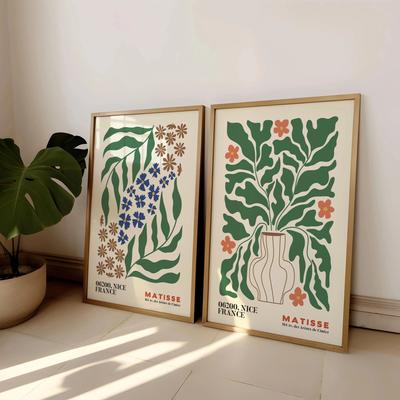
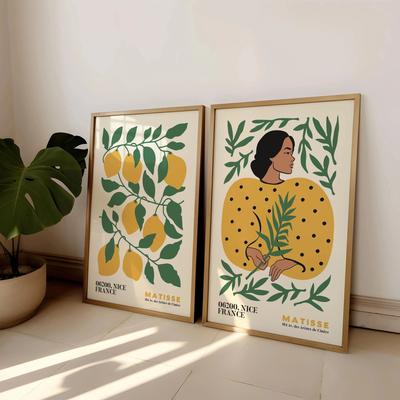
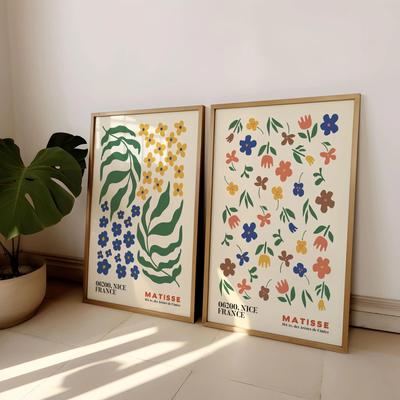
Uplift Picks Matisse Wall Art Bohemian Floral Prints Mid Century Modern Minimalist Set 01 50x70 CmRefresh your space with timeless elegance using this stunning Matisse wall art set inspired by iconic artistic style. These bohemian floral prints bring a soft, creative energy that instantly enhances any room. Designed for lovers of modern and...51,48 $*Shipping: 0,00 $Secure redirect to the provider
-
Uplift Picks Matisse Wall Art Bohemian Floral Prints Mid Century Modern Minimalist Set 05 20x30 CmRefresh your space with timeless elegance using this stunning Matisse wall art set inspired by iconic artistic style. These bohemian floral prints bring a soft, creative energy that instantly enhances any room. Designed for lovers of modern and...51,48 $*Shipping: 0,00 $Secure redirect to the provider
-
Uplift Picks Matisse Wall Art Bohemian Floral Prints Mid Century Modern Minimalist Set 05 30x40 CmRefresh your space with timeless elegance using this stunning Matisse wall art set inspired by iconic artistic style. These bohemian floral prints bring a soft, creative energy that instantly enhances any room. Designed for lovers of modern and...51,48 $*Shipping: 0,00 $Secure redirect to the provider
-
Uplift Picks Matisse Wall Art Bohemian Floral Prints Mid Century Modern Minimalist Set 01 30x40 CmRefresh your space with timeless elegance using this stunning Matisse wall art set inspired by iconic artistic style. These bohemian floral prints bring a soft, creative energy that instantly enhances any room. Designed for lovers of modern and...51,48 $*Shipping: 0,00 $Secure redirect to the provider


-
Were the Germanic people Vikings, or were the Vikings Germanic?
The Germanic people were a group of tribes that lived in Northern Europe, including modern-day Germany, Scandinavia, and the Netherlands. The Vikings were a specific group of people within the broader Germanic culture, known for their seafaring and raiding activities. So, the Vikings were a subset of the Germanic people, and not all Germanic people were Vikings. **
-
Are the Celts Germanic?
No, the Celts are not Germanic. The Celts were a distinct group of people who originated in Central Europe and spread across much of Western Europe, including areas that are now part of modern-day France, Spain, and the British Isles. The Germanic peoples, on the other hand, originated in northern Europe and eventually spread into areas that are now part of modern-day Germany, Scandinavia, and the Netherlands. While the Celts and Germanic peoples may have had some interactions and influences on each other, they are considered to be separate and distinct cultural and linguistic groups. **
-
Were the Greeks Germanic?
No, the Greeks were not Germanic. The Greeks were an ancient civilization that originated in the Mediterranean region, while the Germanic peoples were a group of tribes that originated in northern Europe. The Greeks had their own distinct language, culture, and history, which were different from those of the Germanic peoples. Therefore, it is not accurate to classify the Greeks as Germanic. **
-
What is Germanic Neopaganism?
Germanic Neopaganism is a modern revival of the pre-Christian religious practices and beliefs of the Germanic peoples. It encompasses a variety of traditions and practices inspired by the ancient Germanic cultures, including Norse, Anglo-Saxon, and Continental Germanic traditions. Followers of Germanic Neopaganism often worship a pantheon of gods and goddesses, honor their ancestors, and celebrate seasonal festivals. It is a decentralized and diverse movement, with different groups and individuals interpreting and practicing the faith in their own unique ways. **


Are Germans Germanic or Celtic?
Germans are considered Germanic, not Celtic. The Germanic peoples are a group of Northern European tribes that share a common linguistic and cultural heritage. The Celts, on the other hand, were a distinct group of people who inhabited parts of Western Europe, including modern-day France, Ireland, and the British Isles. Germans are descendants of the Germanic tribes that settled in the region that is now Germany. **
Are Austrians Germanic or Slavic?
Austrians are considered to be primarily Germanic. The majority of the population in Austria speaks German as their first language and shares cultural and historical ties with other Germanic-speaking countries. However, due to its location in Central Europe, Austria has also been influenced by Slavic cultures, particularly in regions bordering countries like Slovenia and the Czech Republic. **
Top-Angebote
Products related to Germanic:
-
Uplift Picks Matisse Wall Art Bohemian Floral Prints Mid Century Modern Minimalist Set 03 20x30 CmRefresh your space with timeless elegance using this stunning Matisse wall art set inspired by iconic artistic style. These bohemian floral prints bring a soft, creative energy that instantly enhances any room. Designed for lovers of modern and...51,48 $*Shipping: 0,00 $Secure redirect to the provider
-
Uplift Picks Matisse Wall Art Bohemian Floral Prints Mid Century Modern Minimalist Set 02 40x60 CmRefresh your space with timeless elegance using this stunning Matisse wall art set inspired by iconic artistic style. These bohemian floral prints bring a soft, creative energy that instantly enhances any room. Designed for lovers of modern and...51,48 $*Shipping: 0,00 $Secure redirect to the provider
-
Uplift Picks Matisse Wall Art Bohemian Floral Prints Mid Century Modern Minimalist Set 01 50x70 CmRefresh your space with timeless elegance using this stunning Matisse wall art set inspired by iconic artistic style. These bohemian floral prints bring a soft, creative energy that instantly enhances any room. Designed for lovers of modern and...51,48 $*Shipping: 0,00 $Secure redirect to the provider
-
Uplift Picks Matisse Wall Art Bohemian Floral Prints Mid Century Modern Minimalist Set 05 20x30 CmRefresh your space with timeless elegance using this stunning Matisse wall art set inspired by iconic artistic style. These bohemian floral prints bring a soft, creative energy that instantly enhances any room. Designed for lovers of modern and...51,48 $*Shipping: 0,00 $Secure redirect to the provider
-
Do some weekdays come from the Germanic-Scandinavian gods?
Yes, some weekdays do come from the Germanic-Scandinavian gods. For example, Wednesday is named after the Norse god Odin, known as Woden in Old English. Thursday is named after the Norse god Thor, known as Thunor in Old English. These names were adopted by the Anglo-Saxons and have continued to be used in English and other Germanic languages. **
-
What is the modern interpretation of Germanic mythology for pagans?
For modern pagans, the interpretation of Germanic mythology often focuses on connecting with the gods and goddesses of the ancient Germanic pantheon, such as Odin, Thor, Freyja, and Frigg. They may draw inspiration from the stories and symbolism of these deities to guide their spiritual practices and beliefs. Additionally, modern pagans may also incorporate elements of Germanic folklore, rituals, and traditions into their worship to honor their ancestors and the natural world. Overall, the modern interpretation of Germanic mythology for pagans emphasizes a deep reverence for nature, community, and the divine. **
-
Were the Germanic people Vikings, or were the Vikings Germanic?
The Germanic people were a group of tribes that lived in Northern Europe, including modern-day Germany, Scandinavia, and the Netherlands. The Vikings were a specific group of people within the broader Germanic culture, known for their seafaring and raiding activities. So, the Vikings were a subset of the Germanic people, and not all Germanic people were Vikings. **
-
Are the Celts Germanic?
No, the Celts are not Germanic. The Celts were a distinct group of people who originated in Central Europe and spread across much of Western Europe, including areas that are now part of modern-day France, Spain, and the British Isles. The Germanic peoples, on the other hand, originated in northern Europe and eventually spread into areas that are now part of modern-day Germany, Scandinavia, and the Netherlands. While the Celts and Germanic peoples may have had some interactions and influences on each other, they are considered to be separate and distinct cultural and linguistic groups. **
Similar search terms for Germanic
-
Uplift Picks Matisse Wall Art Bohemian Floral Prints Mid Century Modern Minimalist Set 05 30x40 CmRefresh your space with timeless elegance using this stunning Matisse wall art set inspired by iconic artistic style. These bohemian floral prints bring a soft, creative energy that instantly enhances any room. Designed for lovers of modern and...51,48 $*Shipping: 0,00 $Secure redirect to the provider
-
Uplift Picks Matisse Wall Art Bohemian Floral Prints Mid Century Modern Minimalist Set 01 30x40 CmRefresh your space with timeless elegance using this stunning Matisse wall art set inspired by iconic artistic style. These bohemian floral prints bring a soft, creative energy that instantly enhances any room. Designed for lovers of modern and...51,48 $*Shipping: 0,00 $Secure redirect to the provider
-
Uplift Picks Matisse Wall Art Bohemian Floral Prints Mid Century Modern Minimalist Set 01 40x60 CmRefresh your space with timeless elegance using this stunning Matisse wall art set inspired by iconic artistic style. These bohemian floral prints bring a soft, creative energy that instantly enhances any room. Designed for lovers of modern and...51,48 $*Shipping: 0,00 $Secure redirect to the provider
-
Uplift Picks Matisse Wall Art Bohemian Floral Prints Mid Century Modern Minimalist Set 04 20x30 CmRefresh your space with timeless elegance using this stunning Matisse wall art set inspired by iconic artistic style. These bohemian floral prints bring a soft, creative energy that instantly enhances any room. Designed for lovers of modern and...51,48 $*Shipping: 0,00 $Secure redirect to the provider
-
Were the Greeks Germanic?
No, the Greeks were not Germanic. The Greeks were an ancient civilization that originated in the Mediterranean region, while the Germanic peoples were a group of tribes that originated in northern Europe. The Greeks had their own distinct language, culture, and history, which were different from those of the Germanic peoples. Therefore, it is not accurate to classify the Greeks as Germanic. **
-
What is Germanic Neopaganism?
Germanic Neopaganism is a modern revival of the pre-Christian religious practices and beliefs of the Germanic peoples. It encompasses a variety of traditions and practices inspired by the ancient Germanic cultures, including Norse, Anglo-Saxon, and Continental Germanic traditions. Followers of Germanic Neopaganism often worship a pantheon of gods and goddesses, honor their ancestors, and celebrate seasonal festivals. It is a decentralized and diverse movement, with different groups and individuals interpreting and practicing the faith in their own unique ways. **
-
Are Germans Germanic or Celtic?
Germans are considered Germanic, not Celtic. The Germanic peoples are a group of Northern European tribes that share a common linguistic and cultural heritage. The Celts, on the other hand, were a distinct group of people who inhabited parts of Western Europe, including modern-day France, Ireland, and the British Isles. Germans are descendants of the Germanic tribes that settled in the region that is now Germany. **
-
Are Austrians Germanic or Slavic?
Austrians are considered to be primarily Germanic. The majority of the population in Austria speaks German as their first language and shares cultural and historical ties with other Germanic-speaking countries. However, due to its location in Central Europe, Austria has also been influenced by Slavic cultures, particularly in regions bordering countries like Slovenia and the Czech Republic. **
* All prices are inclusive of VAT and, if applicable, plus shipping costs. The offer information is based on the details provided by the respective shop and is updated through automated processes. Real-time updates do not occur, so deviations can occur in individual cases. ** Note: Parts of this content were created by AI.