Buy interior-designer.eu ?
We are moving the project
interior-designer.eu .
Are you interested in purchasing the domain
interior-designer.eu ?
domain@kv-gmbh.de · 0541-91531010
Buy interior-designer.eu ?
In which modern countries were there Greek colonies?
Greek colonies were established in various modern-day countries, including Italy (Sicily and southern Italy), France (Marseille), Spain (Emporion), Turkey (Ionia and Aeolis), Ukraine (Olbia), and Libya (Cyrene). These colonies were established by Greek city-states seeking new trading opportunities, agricultural land, and resources. The establishment of these colonies played a significant role in spreading Greek culture, language, and influence throughout the Mediterranean region. **
Can you please create a list of European states and their colonies in the mid-18th century?
In the mid-18th century, several European states had established colonies around the world. Some of the major European states and their colonies included: 1. Great Britain: Colonies in North America (including the Thirteen Colonies), the Caribbean (such as Jamaica and Barbados), and parts of India. 2. France: Colonies in North America (including Canada and Louisiana), the Caribbean (such as Haiti and Martinique), and parts of India. 3. Spain: Colonies in the Americas (such as Mexico, Peru, and Cuba), the Caribbean (such as Puerto Rico), and the Philippines. 4. Portugal: Colonies in Brazil, parts of Africa (such as Angola and Mozambique), and parts of India. 5. Netherlands: Colonies in the East Indies (such as Indonesia), parts of the Caribbean (such as Suriname), and parts of Africa (such as South Africa). These are just a few examples of European states and their colonies in the mid-18 **


Similar search terms for Colonies
Top-Angebote
Products related to Colonies:
-
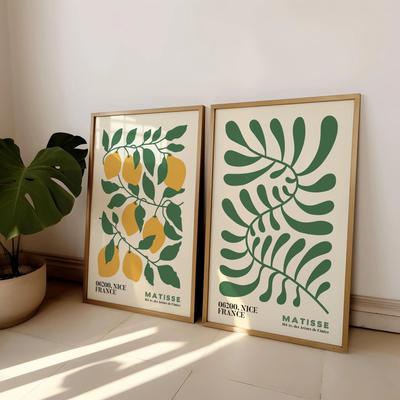
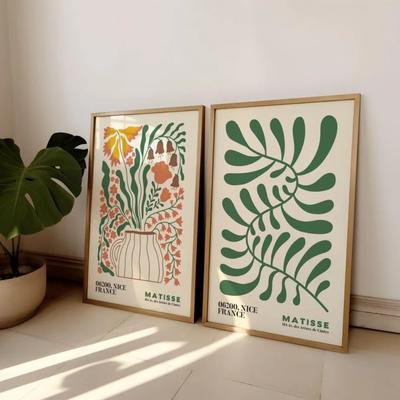
Uplift Picks Matisse Wall Art Bohemian Floral Prints Mid Century Modern Minimalist Set 04 30x40 CmRefresh your space with timeless elegance using this stunning Matisse wall art set inspired by iconic artistic style. These bohemian floral prints bring a soft, creative energy that instantly enhances any room. Designed for lovers of modern and...51,48 $*Shipping: 0,00 $Secure redirect to the provider
-
Uplift Picks Matisse Wall Art Bohemian Floral Prints Mid Century Modern Minimalist Set 05 20x30 CmRefresh your space with timeless elegance using this stunning Matisse wall art set inspired by iconic artistic style. These bohemian floral prints bring a soft, creative energy that instantly enhances any room. Designed for lovers of modern and...51,48 $*Shipping: 0,00 $Secure redirect to the provider
-
Uplift Picks Matisse Wall Art Bohemian Floral Prints Mid Century Modern Minimalist Set 03 50x70 CmRefresh your space with timeless elegance using this stunning Matisse wall art set inspired by iconic artistic style. These bohemian floral prints bring a soft, creative energy that instantly enhances any room. Designed for lovers of modern and...51,48 $*Shipping: 0,00 $Secure redirect to the provider
-
Uplift Picks Matisse Wall Art Bohemian Floral Prints Mid Century Modern Minimalist Set 02 50x70 CmRefresh your space with timeless elegance using this stunning Matisse wall art set inspired by iconic artistic style. These bohemian floral prints bring a soft, creative energy that instantly enhances any room. Designed for lovers of modern and...51,48 $*Shipping: 0,00 $Secure redirect to the provider


-
Can you please create a list of European countries and their colonies in the mid-18th century?
In the mid-18th century, some European countries and their colonies included: 1. Great Britain: Colonies in North America (including the Thirteen Colonies), the Caribbean (such as Jamaica and Barbados), and parts of India. 2. France: Colonies in North America (such as New France), the Caribbean (including Haiti), parts of India, and territories in Africa. 3. Spain: Colonies in the Americas (including present-day Mexico, Peru, and parts of the Caribbean), the Philippines, and territories in Africa. 4. Portugal: Colonies in Brazil, parts of Africa (such as Angola and Mozambique), and territories in Asia (including Macau and Goa). 5. Netherlands: Colonies in the East Indies (Indonesia), parts of the Caribbean (such as Suriname), and territories in Africa. **
-
What are colonies?
Colonies are territories or regions that are controlled and governed by a more powerful country or state. The ruling country typically establishes control over the colony for economic, political, or strategic reasons. Colonies are often established through conquest, settlement, or trade, and the ruling country may impose its own laws, customs, and language on the colony. Throughout history, many countries have established colonies around the world, leading to significant cultural, social, and economic impacts on both the ruling country and the colonized region. **
-
What is worth knowing about German colonies in the 19th century?
German colonies in the 19th century were established as part of the country's efforts to expand its influence and gain access to resources in Africa and the Pacific. These colonies were characterized by harsh treatment of the indigenous populations, forced labor, and exploitation of natural resources. The German government's colonial ambitions ultimately contributed to tensions with other European powers and played a role in the lead-up to World War I. The legacy of German colonialism continues to impact the countries and peoples that were colonized, and has led to ongoing discussions about reparations and historical responsibility. **
-
Should colonies be removed?
The decision to remove colonies should be carefully considered on a case-by-case basis. Colonies can have negative impacts on native ecosystems and species, and can also pose health and safety risks to humans. However, removal should be approached with caution, as it can disrupt the balance of local ecosystems and may not always be the most effective solution. It is important to consider alternative methods of managing colonies, such as habitat modification or relocation, before resorting to removal. Ultimately, the decision should be made with the goal of minimizing harm to both the environment and the animals involved. **


Why were empires only founded in overseas colonies in the 19th century?
Empires were primarily founded in overseas colonies in the 19th century due to the advancements in transportation and communication technology. The development of steamships and the expansion of global trade routes made it easier for empires to establish and maintain control over distant territories. Additionally, the Industrial Revolution led to an increased demand for raw materials and new markets, prompting European powers to seek out overseas colonies to exploit resources and expand their economic influence. Lastly, the rise of nationalism and competition among European powers also played a role in driving the expansion of empires into overseas territories. **
Which of the 13 English colonies clearly demonstrate that they are British colonies?
The colony of Virginia clearly demonstrates that it is a British colony. Virginia was the first permanent English settlement in North America, established in 1607. It was named after Queen Elizabeth I, who was known as the "Virgin Queen." Virginia's government and society were heavily influenced by British customs and laws, and it played a significant role in the British colonial system. Additionally, Virginia was a royal colony, meaning it was under direct control of the British crown. **
Top-Angebote
Products related to Colonies:
-
Uplift Picks Matisse Wall Art Bohemian Floral Prints Mid Century Modern Minimalist Set 03 20x30 CmRefresh your space with timeless elegance using this stunning Matisse wall art set inspired by iconic artistic style. These bohemian floral prints bring a soft, creative energy that instantly enhances any room. Designed for lovers of modern and...51,48 $*Shipping: 0,00 $Secure redirect to the provider
-
Uplift Picks Matisse Wall Art Bohemian Floral Prints Mid Century Modern Minimalist Set 02 40x60 CmRefresh your space with timeless elegance using this stunning Matisse wall art set inspired by iconic artistic style. These bohemian floral prints bring a soft, creative energy that instantly enhances any room. Designed for lovers of modern and...51,48 $*Shipping: 0,00 $Secure redirect to the provider
-
Uplift Picks Matisse Wall Art Bohemian Floral Prints Mid Century Modern Minimalist Set 04 30x40 CmRefresh your space with timeless elegance using this stunning Matisse wall art set inspired by iconic artistic style. These bohemian floral prints bring a soft, creative energy that instantly enhances any room. Designed for lovers of modern and...51,48 $*Shipping: 0,00 $Secure redirect to the provider
-
Uplift Picks Matisse Wall Art Bohemian Floral Prints Mid Century Modern Minimalist Set 05 20x30 CmRefresh your space with timeless elegance using this stunning Matisse wall art set inspired by iconic artistic style. These bohemian floral prints bring a soft, creative energy that instantly enhances any room. Designed for lovers of modern and...51,48 $*Shipping: 0,00 $Secure redirect to the provider
-
In which modern countries were there Greek colonies?
Greek colonies were established in various modern-day countries, including Italy (Sicily and southern Italy), France (Marseille), Spain (Emporion), Turkey (Ionia and Aeolis), Ukraine (Olbia), and Libya (Cyrene). These colonies were established by Greek city-states seeking new trading opportunities, agricultural land, and resources. The establishment of these colonies played a significant role in spreading Greek culture, language, and influence throughout the Mediterranean region. **
-
Can you please create a list of European states and their colonies in the mid-18th century?
In the mid-18th century, several European states had established colonies around the world. Some of the major European states and their colonies included: 1. Great Britain: Colonies in North America (including the Thirteen Colonies), the Caribbean (such as Jamaica and Barbados), and parts of India. 2. France: Colonies in North America (including Canada and Louisiana), the Caribbean (such as Haiti and Martinique), and parts of India. 3. Spain: Colonies in the Americas (such as Mexico, Peru, and Cuba), the Caribbean (such as Puerto Rico), and the Philippines. 4. Portugal: Colonies in Brazil, parts of Africa (such as Angola and Mozambique), and parts of India. 5. Netherlands: Colonies in the East Indies (such as Indonesia), parts of the Caribbean (such as Suriname), and parts of Africa (such as South Africa). These are just a few examples of European states and their colonies in the mid-18 **
-
Can you please create a list of European countries and their colonies in the mid-18th century?
In the mid-18th century, some European countries and their colonies included: 1. Great Britain: Colonies in North America (including the Thirteen Colonies), the Caribbean (such as Jamaica and Barbados), and parts of India. 2. France: Colonies in North America (such as New France), the Caribbean (including Haiti), parts of India, and territories in Africa. 3. Spain: Colonies in the Americas (including present-day Mexico, Peru, and parts of the Caribbean), the Philippines, and territories in Africa. 4. Portugal: Colonies in Brazil, parts of Africa (such as Angola and Mozambique), and territories in Asia (including Macau and Goa). 5. Netherlands: Colonies in the East Indies (Indonesia), parts of the Caribbean (such as Suriname), and territories in Africa. **
-
What are colonies?
Colonies are territories or regions that are controlled and governed by a more powerful country or state. The ruling country typically establishes control over the colony for economic, political, or strategic reasons. Colonies are often established through conquest, settlement, or trade, and the ruling country may impose its own laws, customs, and language on the colony. Throughout history, many countries have established colonies around the world, leading to significant cultural, social, and economic impacts on both the ruling country and the colonized region. **
Similar search terms for Colonies
-
Uplift Picks Matisse Wall Art Bohemian Floral Prints Mid Century Modern Minimalist Set 03 50x70 CmRefresh your space with timeless elegance using this stunning Matisse wall art set inspired by iconic artistic style. These bohemian floral prints bring a soft, creative energy that instantly enhances any room. Designed for lovers of modern and...51,48 $*Shipping: 0,00 $Secure redirect to the provider
-
Uplift Picks Matisse Wall Art Bohemian Floral Prints Mid Century Modern Minimalist Set 02 50x70 CmRefresh your space with timeless elegance using this stunning Matisse wall art set inspired by iconic artistic style. These bohemian floral prints bring a soft, creative energy that instantly enhances any room. Designed for lovers of modern and...51,48 $*Shipping: 0,00 $Secure redirect to the provider
-
Uplift Picks Matisse Wall Art Bohemian Floral Prints Mid Century Modern Minimalist Set 03 40x60 CmRefresh your space with timeless elegance using this stunning Matisse wall art set inspired by iconic artistic style. These bohemian floral prints bring a soft, creative energy that instantly enhances any room. Designed for lovers of modern and...51,48 $*Shipping: 0,00 $Secure redirect to the provider
-
Uplift Picks Matisse Wall Art Bohemian Floral Prints Mid Century Modern Minimalist Set 05 50x70 CmRefresh your space with timeless elegance using this stunning Matisse wall art set inspired by iconic artistic style. These bohemian floral prints bring a soft, creative energy that instantly enhances any room. Designed for lovers of modern and...51,48 $*Shipping: 0,00 $Secure redirect to the provider
-
What is worth knowing about German colonies in the 19th century?
German colonies in the 19th century were established as part of the country's efforts to expand its influence and gain access to resources in Africa and the Pacific. These colonies were characterized by harsh treatment of the indigenous populations, forced labor, and exploitation of natural resources. The German government's colonial ambitions ultimately contributed to tensions with other European powers and played a role in the lead-up to World War I. The legacy of German colonialism continues to impact the countries and peoples that were colonized, and has led to ongoing discussions about reparations and historical responsibility. **
-
Should colonies be removed?
The decision to remove colonies should be carefully considered on a case-by-case basis. Colonies can have negative impacts on native ecosystems and species, and can also pose health and safety risks to humans. However, removal should be approached with caution, as it can disrupt the balance of local ecosystems and may not always be the most effective solution. It is important to consider alternative methods of managing colonies, such as habitat modification or relocation, before resorting to removal. Ultimately, the decision should be made with the goal of minimizing harm to both the environment and the animals involved. **
-
Why were empires only founded in overseas colonies in the 19th century?
Empires were primarily founded in overseas colonies in the 19th century due to the advancements in transportation and communication technology. The development of steamships and the expansion of global trade routes made it easier for empires to establish and maintain control over distant territories. Additionally, the Industrial Revolution led to an increased demand for raw materials and new markets, prompting European powers to seek out overseas colonies to exploit resources and expand their economic influence. Lastly, the rise of nationalism and competition among European powers also played a role in driving the expansion of empires into overseas territories. **
-
Which of the 13 English colonies clearly demonstrate that they are British colonies?
The colony of Virginia clearly demonstrates that it is a British colony. Virginia was the first permanent English settlement in North America, established in 1607. It was named after Queen Elizabeth I, who was known as the "Virgin Queen." Virginia's government and society were heavily influenced by British customs and laws, and it played a significant role in the British colonial system. Additionally, Virginia was a royal colony, meaning it was under direct control of the British crown. **
* All prices are inclusive of VAT and, if applicable, plus shipping costs. The offer information is based on the details provided by the respective shop and is updated through automated processes. Real-time updates do not occur, so deviations can occur in individual cases. ** Note: Parts of this content were created by AI.