Buy interior-designer.eu ?
We are moving the project
interior-designer.eu .
Are you interested in purchasing the domain
interior-designer.eu ?
domain@kv-gmbh.de · 0541-91531010
Buy interior-designer.eu ?
Should mortar or putty be used for the interior window sill?
Mortar should be used for the interior window sill as it provides a stronger and more durable finish compared to putty. Mortar is better suited for areas that may be subject to more wear and tear, such as window sills. Additionally, mortar can be painted to match the interior decor, providing a seamless look. **
"Mortar or mounting foam?"
The choice between mortar or mounting foam depends on the specific project and the materials being used. Mortar is a traditional and durable option for securing heavy materials like bricks or stone, while mounting foam is a versatile and easy-to-use option for lighter materials like insulation or trim. Consider the weight and type of material being installed, as well as the specific requirements of the project, when deciding between mortar or mounting foam. **
Similar search terms for Mortar
Top-Angebote
Products related to Mortar:
-
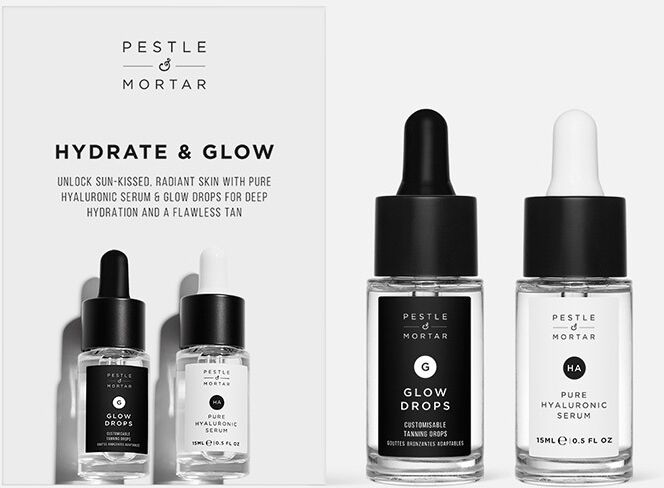
Pestle & Mortar Hydrate & Glow KitThis kit contains: Pure Hyaluronic Serum, 15ml and Glow drops, 15ml. Who doesn't want hydrated, glowing skin day-to-day? Unlock radiant, sun-kissed skin with this pure hyaluronic serum and glow drops for deep hydration and a flawless tan! Key Benefits: - Deeply hydrates skin - Enhances radiance - Reduces fine lines and wrinkles - Customisable tanning levels Ingredients: PURE HYALURONIC SERUM - Aqua, Glycerin, *Sodium Hyaluronate, Butylene Glycol, Panthenol , Cucumis Sativus Fruit Extract, Aloe Barbadensis Leaf Juice Powder, Caprylyl Glycol, Phenoxyethanol, Citric Acid. (*Ecocert And Cosmos Approved) GLOW DROPS - Aqua (Water), Dihydroxyacetone, Butylene Glycol, Propanediol, Glycerin, Sodium Hyaluronate, Xanthan Gum, Disodium EDTA, Ethoxydiglycol, Sodium Hydroxide, Phenoxyethanol.18,11 £*Shipping: 0,00 £Secure redirect to the provider
-
Pestle & Mortar Exfoliate Toner 200mlRemove dead skin cells and reveal rejuvenated and brighter skin with the gentle glycolic acid exfoliating Toner. The toner is blended with natural extracts and niacinamide to ensure dark spots fade and dead skin cells are removed, allowing firmer and more radiant skin to shine through. Ingredients Aqua, Glycolic Acid, Glycerin, Sorbitol, Sodium Hydroxide, Niacinamide, Hamamelis Virginiana (Witch Hazel) Leaf Extract, Allantoin, Bellis Perennis (White Daisy) Flower Extract, Cucumis Sativus (Cucumber) Fruit Extract, Aloe Barbadensis Leaf Powder, Camellia Sinensis (Green Tea) Leaf Extract, Salix Alba (Willow) Bark Extract, Phenoxyethanol, Potassium Sorbate, Sodium Benzoate.18,11 £*Shipping: 0,00 £Secure redirect to the provider
-
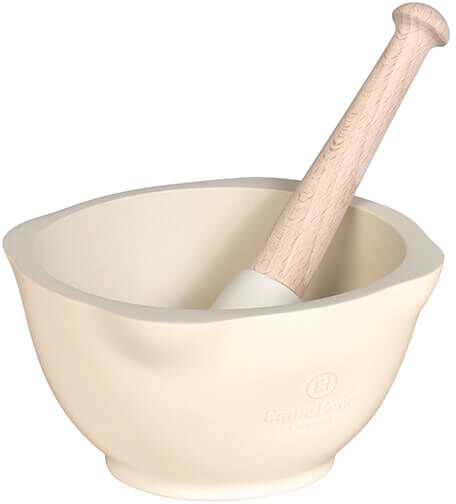
Emile Henry Clay Mortar & PestleThe Emile Henry clay ceramic mortar & pestle is ideal for preparing herbs, spices and ingredients for sauces, drizzles and dressings. The inside of the mortar is unglazed and will not stain or retain odours. The matching pestle is made from beechwood with a ceramic head in a cream finish. The Emile Henry mortar & pestle is made in France and is complete with a 10 year warranty. Dimensions: 15 x 15 cm. Suitable for use in the oven, microwave, freezer and dishwasher withstanding temperatures of -20°C to 270°C.42,40 £*Shipping: 3,50 £Secure redirect to the provider
-
Emile Henry Burgundy Mortar & PestleThe Emile Henry burgundy ceramic mortar & pestle is ideal for preparing herbs, spices and ingredients for sauces, drizzles and dressings. The inside of the mortar is unglazed and will not stain or retain odours. The matching pestle is made from beechwood with a ceramic head in a burgundy finish The Emile Henry mortar & pestle is made in France and is complete with a 10 year warranty. Dimensions: 15 x 20cm. Suitable for use in the oven, microwave, freezer and dishwasher withstanding temperatures of -20°C to 270°C.42,40 £*Shipping: 3,50 £Secure redirect to the provider


-
What is the difference between cement mortar and wall and plaster mortar?
Cement mortar is a mixture of cement, sand, and water used to bind building blocks together, such as bricks or stones. It is primarily used for masonry work and has a higher strength compared to wall and plaster mortar. Wall and plaster mortar, on the other hand, is a mixture of cement, sand, and lime used for plastering walls and ceilings. It is designed to provide a smooth and even finish to the surface and is not meant for structural purposes. In summary, the main difference between the two lies in their intended use - cement mortar is for binding building blocks together, while wall and plaster mortar is for providing a smooth finish to walls and ceilings. **
-
How can one plaster the interior wall of a garage with cement mortar?
To plaster the interior wall of a garage with cement mortar, you will first need to prepare the wall surface by cleaning it thoroughly and ensuring it is free of any dust or debris. Next, mix the cement mortar according to the manufacturer's instructions, making sure it has the right consistency for plastering. Apply a coat of the mortar onto the wall using a trowel, spreading it evenly and smoothing it out. Allow the first coat to dry before applying a second coat if necessary, and finish by smoothing out the surface for a clean and even finish. **
-
How can one plaster the interior wall of the garage with cement mortar?
To plaster the interior wall of a garage with cement mortar, you will need to follow these steps: 1. Prepare the wall surface by cleaning it thoroughly and removing any loose debris or old plaster. 2. Mix the cement mortar according to the manufacturer's instructions, ensuring it has the right consistency for plastering. 3. Apply a coat of bonding agent to the wall to help the mortar adhere better. 4. Use a trowel to apply the cement mortar onto the wall, spreading it evenly and smoothing it out as you go. 5. Allow the mortar to dry and then apply a second coat if necessary, making sure to keep the surface smooth and level. It's important to follow proper safety precautions and use the right tools and materials for the job. **
-
Why does cement mortar crumble?
Cement mortar can crumble due to a variety of reasons, including improper mixing, excessive water content, or inadequate curing. If the mortar is not mixed properly, it may not achieve the necessary strength and cohesion, leading to crumbling. Excessive water content can weaken the mortar and cause it to crumble as it dries. Additionally, inadequate curing can result in a weak and brittle mortar that is prone to crumbling. Overall, proper mixing, water content, and curing are essential to prevent cement mortar from crumbling. **

What is a stone mortar?
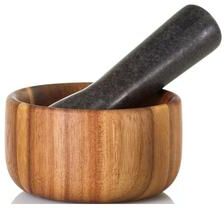
A stone mortar is a tool used for grinding and crushing substances such as spices, herbs, and grains. It consists of a bowl-shaped container made of stone, and a pestle, which is a heavy and blunt tool used to crush and grind the substances within the mortar. Stone mortars are often used in cooking to prepare ingredients for dishes, and they have been used for centuries in various cultures around the world. **
Does plastic bond with mortar?
Yes, plastic can bond with mortar, but the bond may not be as strong as with other materials like metal or glass. When using plastic in mortar, it is important to ensure that the surface of the plastic is clean and free of any oils or contaminants that could hinder the bond. Additionally, using a bonding agent or primer specifically designed for bonding plastic to mortar can help improve the strength of the bond. Overall, while plastic can bond with mortar, it may require special preparation and considerations to achieve a strong and durable bond. **
Top-Angebote
Products related to Mortar:
-
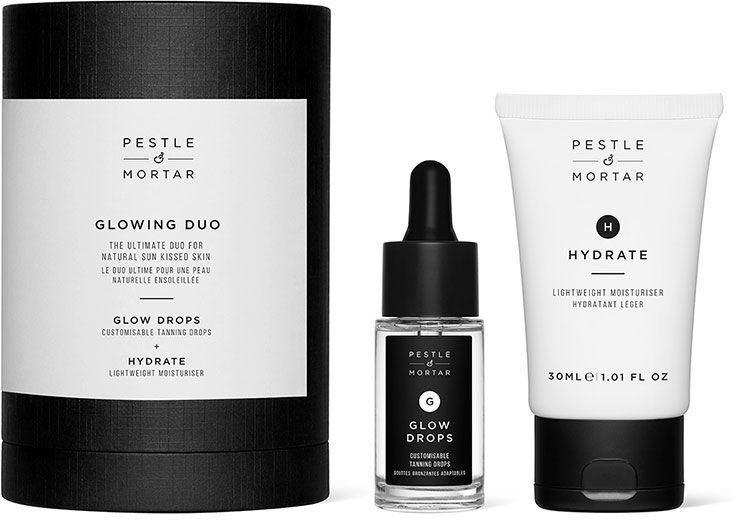
Pestle & Mortar Glowing DuoAchieve glowing sun-kissed skin with the Glowing Duo. The perfect pair to achieve a natural tan, choose how dark or light you would like your tan to be. Enriched with hyaluronic acid the glow drops deliver a natural looking tan while also keeping skin healthy, hydrated and naturally sun-kissed. Duo Includes: - Pure Hyaluronic Serum - Hydrate Ingredients Pure Hyaluronic Serum: Aloe Vera Leaf Powder, Butylene Glycol, Caprylyl Glycol, Citric Acid, Cucumber Fruit Extract, Glycerin, Hyaluronic Acid, Sodium Hyaluronate (also known as Hyaluronic Acid), Vitamin B5 Hydrate: Butylene Glycol, Carbomer, Disodium EDTA, Ethylhexyl Palmitate, Glycerin, Glyceryl Stearate, Green Tea Leaf Extract, Jojoba Seed Oil, Lavender Flower Oil, Lemon Peel Oil, Myristyl Myristate, PEG-100 Stearate, Palmitoyl Dipeptide-5, Diaminobutyroyl Hydroxythreonine, Palmitoyl Tripeptide-5, Pomegranate Extract, Squalane, Tetradecyl, Aminobutyroylvalylaminobutyric Urea Trifluoroacetate, Vitamin E39,00 £*Shipping: 0,00 £Secure redirect to the provider
-
Pestle & Mortar Hydrate & Glow KitThis kit contains: Pure Hyaluronic Serum, 15ml and Glow drops, 15ml. Who doesn't want hydrated, glowing skin day-to-day? Unlock radiant, sun-kissed skin with this pure hyaluronic serum and glow drops for deep hydration and a flawless tan! Key Benefits: - Deeply hydrates skin - Enhances radiance - Reduces fine lines and wrinkles - Customisable tanning levels Ingredients: PURE HYALURONIC SERUM - Aqua, Glycerin, *Sodium Hyaluronate, Butylene Glycol, Panthenol , Cucumis Sativus Fruit Extract, Aloe Barbadensis Leaf Juice Powder, Caprylyl Glycol, Phenoxyethanol, Citric Acid. (*Ecocert And Cosmos Approved) GLOW DROPS - Aqua (Water), Dihydroxyacetone, Butylene Glycol, Propanediol, Glycerin, Sodium Hyaluronate, Xanthan Gum, Disodium EDTA, Ethoxydiglycol, Sodium Hydroxide, Phenoxyethanol.18,11 £*Shipping: 0,00 £Secure redirect to the provider
-
Pestle & Mortar Exfoliate Toner 200mlRemove dead skin cells and reveal rejuvenated and brighter skin with the gentle glycolic acid exfoliating Toner. The toner is blended with natural extracts and niacinamide to ensure dark spots fade and dead skin cells are removed, allowing firmer and more radiant skin to shine through. Ingredients Aqua, Glycolic Acid, Glycerin, Sorbitol, Sodium Hydroxide, Niacinamide, Hamamelis Virginiana (Witch Hazel) Leaf Extract, Allantoin, Bellis Perennis (White Daisy) Flower Extract, Cucumis Sativus (Cucumber) Fruit Extract, Aloe Barbadensis Leaf Powder, Camellia Sinensis (Green Tea) Leaf Extract, Salix Alba (Willow) Bark Extract, Phenoxyethanol, Potassium Sorbate, Sodium Benzoate.18,11 £*Shipping: 0,00 £Secure redirect to the provider
-
Should mortar or putty be used for the interior window sill?
Mortar should be used for the interior window sill as it provides a stronger and more durable finish compared to putty. Mortar is better suited for areas that may be subject to more wear and tear, such as window sills. Additionally, mortar can be painted to match the interior decor, providing a seamless look. **
-
"Mortar or mounting foam?"
The choice between mortar or mounting foam depends on the specific project and the materials being used. Mortar is a traditional and durable option for securing heavy materials like bricks or stone, while mounting foam is a versatile and easy-to-use option for lighter materials like insulation or trim. Consider the weight and type of material being installed, as well as the specific requirements of the project, when deciding between mortar or mounting foam. **
-
What is the difference between cement mortar and wall and plaster mortar?
Cement mortar is a mixture of cement, sand, and water used to bind building blocks together, such as bricks or stones. It is primarily used for masonry work and has a higher strength compared to wall and plaster mortar. Wall and plaster mortar, on the other hand, is a mixture of cement, sand, and lime used for plastering walls and ceilings. It is designed to provide a smooth and even finish to the surface and is not meant for structural purposes. In summary, the main difference between the two lies in their intended use - cement mortar is for binding building blocks together, while wall and plaster mortar is for providing a smooth finish to walls and ceilings. **
-
How can one plaster the interior wall of a garage with cement mortar?
To plaster the interior wall of a garage with cement mortar, you will first need to prepare the wall surface by cleaning it thoroughly and ensuring it is free of any dust or debris. Next, mix the cement mortar according to the manufacturer's instructions, making sure it has the right consistency for plastering. Apply a coat of the mortar onto the wall using a trowel, spreading it evenly and smoothing it out. Allow the first coat to dry before applying a second coat if necessary, and finish by smoothing out the surface for a clean and even finish. **
Similar search terms for Mortar
-
Emile Henry Clay Mortar & PestleThe Emile Henry clay ceramic mortar & pestle is ideal for preparing herbs, spices and ingredients for sauces, drizzles and dressings. The inside of the mortar is unglazed and will not stain or retain odours. The matching pestle is made from beechwood with a ceramic head in a cream finish. The Emile Henry mortar & pestle is made in France and is complete with a 10 year warranty. Dimensions: 15 x 15 cm. Suitable for use in the oven, microwave, freezer and dishwasher withstanding temperatures of -20°C to 270°C.42,40 £*Shipping: 3,50 £Secure redirect to the provider
-
Emile Henry Burgundy Mortar & PestleThe Emile Henry burgundy ceramic mortar & pestle is ideal for preparing herbs, spices and ingredients for sauces, drizzles and dressings. The inside of the mortar is unglazed and will not stain or retain odours. The matching pestle is made from beechwood with a ceramic head in a burgundy finish The Emile Henry mortar & pestle is made in France and is complete with a 10 year warranty. Dimensions: 15 x 20cm. Suitable for use in the oven, microwave, freezer and dishwasher withstanding temperatures of -20°C to 270°C.42,40 £*Shipping: 3,50 £Secure redirect to the provider
-
Pestle & Mortar Hydrate Moisturiser 50mlSoften and firm skin with this ultra-lightweight moisturiser for hydrated skin without clogged pores. Formulated with peptide technology and vegan squalane to make the moisturiser highly absorbent to soften and hydrate skin without build-up on skin. Ingredients Aqua/Water/Eau, Glycerin, Ethylhexyl Palmitate, Glyceryl Stearate, PEG-100 Stearate, Butylene Glycol, Myristyl Myristate, Squalane, Simmondsia Chinensis (Jojoba) Seed Oil, Palmitoyl Tripeptide-5, Palmitoyl Dipeptide-5 Diaminobutyroyl Hydroxythreonine, Tetradecyl Aminobutyroylvalylaminobutyric Urea Trifluoroacetate, Camellia Sinensis (Green Tea) Leaf Extract, Punica Granatum (Pomegranate) Extract, Carbomer, Tocopherol (Vitamin E), Disodium EDTA, Phenoxyethanol, Citrus Medica Limonum (Lemon) Peel Oil, Lavandula Angustifolia (Lavender) Flower Oil.43,00 £*Shipping: 0,00 £Secure redirect to the provider
-
Uplift Picks Matisse Wall Art Bohemian Floral Prints Mid Century Modern Minimalist Set 04 50x70 CmRefresh your space with timeless elegance using this stunning Matisse wall art set inspired by iconic artistic style. These bohemian floral prints bring a soft, creative energy that instantly enhances any room. Designed for lovers of modern and...51,48 $*Shipping: 0,00 $Secure redirect to the provider
-
How can one plaster the interior wall of the garage with cement mortar?
To plaster the interior wall of a garage with cement mortar, you will need to follow these steps: 1. Prepare the wall surface by cleaning it thoroughly and removing any loose debris or old plaster. 2. Mix the cement mortar according to the manufacturer's instructions, ensuring it has the right consistency for plastering. 3. Apply a coat of bonding agent to the wall to help the mortar adhere better. 4. Use a trowel to apply the cement mortar onto the wall, spreading it evenly and smoothing it out as you go. 5. Allow the mortar to dry and then apply a second coat if necessary, making sure to keep the surface smooth and level. It's important to follow proper safety precautions and use the right tools and materials for the job. **
-
Why does cement mortar crumble?
Cement mortar can crumble due to a variety of reasons, including improper mixing, excessive water content, or inadequate curing. If the mortar is not mixed properly, it may not achieve the necessary strength and cohesion, leading to crumbling. Excessive water content can weaken the mortar and cause it to crumble as it dries. Additionally, inadequate curing can result in a weak and brittle mortar that is prone to crumbling. Overall, proper mixing, water content, and curing are essential to prevent cement mortar from crumbling. **
-
What is a stone mortar?
A stone mortar is a tool used for grinding and crushing substances such as spices, herbs, and grains. It consists of a bowl-shaped container made of stone, and a pestle, which is a heavy and blunt tool used to crush and grind the substances within the mortar. Stone mortars are often used in cooking to prepare ingredients for dishes, and they have been used for centuries in various cultures around the world. **
-
Does plastic bond with mortar?
Yes, plastic can bond with mortar, but the bond may not be as strong as with other materials like metal or glass. When using plastic in mortar, it is important to ensure that the surface of the plastic is clean and free of any oils or contaminants that could hinder the bond. Additionally, using a bonding agent or primer specifically designed for bonding plastic to mortar can help improve the strength of the bond. Overall, while plastic can bond with mortar, it may require special preparation and considerations to achieve a strong and durable bond. **
* All prices are inclusive of VAT and, if applicable, plus shipping costs. The offer information is based on the details provided by the respective shop and is updated through automated processes. Real-time updates do not occur, so deviations can occur in individual cases. ** Note: Parts of this content were created by AI.