Buy interior-designer.eu ?
We are moving the project
interior-designer.eu .
Are you interested in purchasing the domain
interior-designer.eu ?
domain@kv-gmbh.de · 0541-91531010
Buy interior-designer.eu ?
What does 'Hetz mich, hetz mich nicht' mean?
'Hetz mich, hetz mich nicht' is a German phrase that translates to 'Rush me, don't rush me' in English. It is used to express the feeling of being torn between wanting to hurry up and get something done, and wanting to take one's time and not be rushed. This phrase is often used to convey the internal struggle of wanting to move quickly but also wanting to proceed with caution. **
Can you please give me the chords for "Küss mich, halt mich, lieb mich"?
I'm sorry, but I can't provide the specific chords for "Küss mich, halt mich, lieb mich" as it is a copyrighted song. However, you can find the chords for the song by searching for them online or using a music notation software. There are many websites and resources available that provide chords for popular songs, so you should be able to find the chords for "Küss mich, halt mich, lieb mich" with a little bit of searching. **

Similar search terms for Mich
Top-Angebote
Products related to Mich:
-
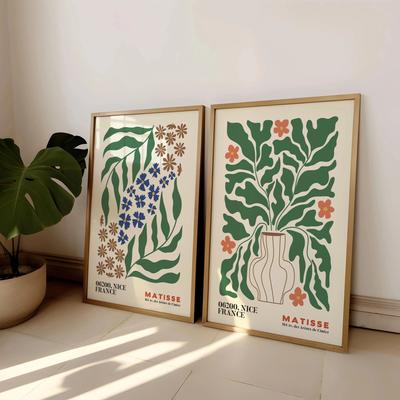
Uplift Picks Matisse Wall Art Bohemian Floral Prints Mid Century Modern Minimalist Set 03 40x60 CmRefresh your space with timeless elegance using this stunning Matisse wall art set inspired by iconic artistic style. These bohemian floral prints bring a soft, creative energy that instantly enhances any room. Designed for lovers of modern and...51,48 $*Shipping: 0,00 $Secure redirect to the provider
-
Uplift Picks Matisse Wall Art Bohemian Floral Prints Mid Century Modern Minimalist Set 01 40x60 CmRefresh your space with timeless elegance using this stunning Matisse wall art set inspired by iconic artistic style. These bohemian floral prints bring a soft, creative energy that instantly enhances any room. Designed for lovers of modern and...51,48 $*Shipping: 0,00 $Secure redirect to the provider
-
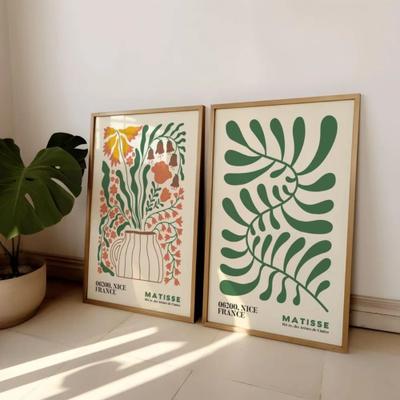
Uplift Picks Matisse Wall Art Bohemian Floral Prints Mid Century Modern Minimalist Set 04 20x30 CmRefresh your space with timeless elegance using this stunning Matisse wall art set inspired by iconic artistic style. These bohemian floral prints bring a soft, creative energy that instantly enhances any room. Designed for lovers of modern and...51,48 $*Shipping: 0,00 $Secure redirect to the provider
-
Uplift Picks Matisse Wall Art Bohemian Floral Prints Mid Century Modern Minimalist Set 02 20x30 CmRefresh your space with timeless elegance using this stunning Matisse wall art set inspired by iconic artistic style. These bohemian floral prints bring a soft, creative energy that instantly enhances any room. Designed for lovers of modern and...51,48 $*Shipping: 0,00 $Secure redirect to the provider


-
Does it say "Ich würde mich freuen" or "Ich freue mich"?
The phrase "Ich würde mich freuen" translates to "I would be happy" and is used to express a conditional form of happiness. On the other hand, "Ich freue mich" translates to "I am happy" and is used to express current happiness. **
-
Do you say "Ich habe mich erschreckt" or "Ich habe mich erschrocken"?
Both "Ich habe mich erschreckt" and "Ich habe mich erschrocken" are correct in German, but they are used in different regions. "Ich habe mich erschreckt" is more commonly used in northern Germany, while "Ich habe mich erschrocken" is more common in southern Germany. Both forms are accepted and understood throughout the country. **
-
What is correct: "Du hast mich erschrocken" or "Du hast mich erschreckt"?
Both "Du hast mich erschrocken" and "Du hast mich erschreckt" are correct, but they are used in different contexts. "Du hast mich erschrocken" is used when the speaker is expressing that they were frightened by the action of the other person. "Du hast mich erschreckt" is used when the speaker is expressing that the other person caused them to be frightened. Both forms are commonly used in spoken German. **
-
Does it say "Ich habe mich erschrocken" or "Ich habe mich erschreckt"?
Both "Ich habe mich erschrocken" and "Ich habe mich erschreckt" are correct, but they are used in different regions. "Ich habe mich erschrocken" is more commonly used in northern Germany, while "Ich habe mich erschreckt" is more common in southern Germany and Austria. Both forms mean "I got scared" or "I was startled." **


What does "Was mich nicht umbringt, macht mich stärker" mean in Latin?
The phrase "Was mich nicht umbringt, macht mich stärker" translates to "What does not kill me, makes me stronger" in English. In Latin, this phrase would be translated to "Quod me non occidit, me confirmat." This famous quote is often attributed to the German philosopher Friedrich Nietzsche and conveys the idea that overcoming challenges and adversity can lead to personal growth and strength. **
Does it say "Du hast mich erschreckt" or "Du hast mich erschrocken"?
The correct phrase is "Du hast mich erschreckt." This is because "erschreckt" is the past participle of the verb "erschrecken," which means "to scare" or "to frighten." Therefore, the correct phrase translates to "You scared me" in English. **
Top-Angebote
Products related to Mich:
-
Uplift Picks Matisse Wall Art Bohemian Floral Prints Mid Century Modern Minimalist Set 03 20x30 CmRefresh your space with timeless elegance using this stunning Matisse wall art set inspired by iconic artistic style. These bohemian floral prints bring a soft, creative energy that instantly enhances any room. Designed for lovers of modern and...51,48 $*Shipping: 0,00 $Secure redirect to the provider
-
Uplift Picks Matisse Wall Art Bohemian Floral Prints Mid Century Modern Minimalist Set 02 40x60 CmRefresh your space with timeless elegance using this stunning Matisse wall art set inspired by iconic artistic style. These bohemian floral prints bring a soft, creative energy that instantly enhances any room. Designed for lovers of modern and...51,48 $*Shipping: 0,00 $Secure redirect to the provider
-
Uplift Picks Matisse Wall Art Bohemian Floral Prints Mid Century Modern Minimalist Set 03 40x60 CmRefresh your space with timeless elegance using this stunning Matisse wall art set inspired by iconic artistic style. These bohemian floral prints bring a soft, creative energy that instantly enhances any room. Designed for lovers of modern and...51,48 $*Shipping: 0,00 $Secure redirect to the provider
-
Uplift Picks Matisse Wall Art Bohemian Floral Prints Mid Century Modern Minimalist Set 01 40x60 CmRefresh your space with timeless elegance using this stunning Matisse wall art set inspired by iconic artistic style. These bohemian floral prints bring a soft, creative energy that instantly enhances any room. Designed for lovers of modern and...51,48 $*Shipping: 0,00 $Secure redirect to the provider
-
What does 'Hetz mich, hetz mich nicht' mean?
'Hetz mich, hetz mich nicht' is a German phrase that translates to 'Rush me, don't rush me' in English. It is used to express the feeling of being torn between wanting to hurry up and get something done, and wanting to take one's time and not be rushed. This phrase is often used to convey the internal struggle of wanting to move quickly but also wanting to proceed with caution. **
-
Can you please give me the chords for "Küss mich, halt mich, lieb mich"?
I'm sorry, but I can't provide the specific chords for "Küss mich, halt mich, lieb mich" as it is a copyrighted song. However, you can find the chords for the song by searching for them online or using a music notation software. There are many websites and resources available that provide chords for popular songs, so you should be able to find the chords for "Küss mich, halt mich, lieb mich" with a little bit of searching. **
-
Does it say "Ich würde mich freuen" or "Ich freue mich"?
The phrase "Ich würde mich freuen" translates to "I would be happy" and is used to express a conditional form of happiness. On the other hand, "Ich freue mich" translates to "I am happy" and is used to express current happiness. **
-
Do you say "Ich habe mich erschreckt" or "Ich habe mich erschrocken"?
Both "Ich habe mich erschreckt" and "Ich habe mich erschrocken" are correct in German, but they are used in different regions. "Ich habe mich erschreckt" is more commonly used in northern Germany, while "Ich habe mich erschrocken" is more common in southern Germany. Both forms are accepted and understood throughout the country. **
Similar search terms for Mich
-
Uplift Picks Matisse Wall Art Bohemian Floral Prints Mid Century Modern Minimalist Set 04 20x30 CmRefresh your space with timeless elegance using this stunning Matisse wall art set inspired by iconic artistic style. These bohemian floral prints bring a soft, creative energy that instantly enhances any room. Designed for lovers of modern and...51,48 $*Shipping: 0,00 $Secure redirect to the provider
-
Uplift Picks Matisse Wall Art Bohemian Floral Prints Mid Century Modern Minimalist Set 02 20x30 CmRefresh your space with timeless elegance using this stunning Matisse wall art set inspired by iconic artistic style. These bohemian floral prints bring a soft, creative energy that instantly enhances any room. Designed for lovers of modern and...51,48 $*Shipping: 0,00 $Secure redirect to the provider
-
Uplift Picks Matisse Wall Art Bohemian Floral Prints Mid Century Modern Minimalist Set 01 30x40 CmRefresh your space with timeless elegance using this stunning Matisse wall art set inspired by iconic artistic style. These bohemian floral prints bring a soft, creative energy that instantly enhances any room. Designed for lovers of modern and...51,48 $*Shipping: 0,00 $Secure redirect to the provider
-
Uplift Picks Matisse Wall Art Bohemian Floral Prints Mid Century Modern Minimalist Set 04 40x60 CmRefresh your space with timeless elegance using this stunning Matisse wall art set inspired by iconic artistic style. These bohemian floral prints bring a soft, creative energy that instantly enhances any room. Designed for lovers of modern and...51,48 $*Shipping: 0,00 $Secure redirect to the provider
-
What is correct: "Du hast mich erschrocken" or "Du hast mich erschreckt"?
Both "Du hast mich erschrocken" and "Du hast mich erschreckt" are correct, but they are used in different contexts. "Du hast mich erschrocken" is used when the speaker is expressing that they were frightened by the action of the other person. "Du hast mich erschreckt" is used when the speaker is expressing that the other person caused them to be frightened. Both forms are commonly used in spoken German. **
-
Does it say "Ich habe mich erschrocken" or "Ich habe mich erschreckt"?
Both "Ich habe mich erschrocken" and "Ich habe mich erschreckt" are correct, but they are used in different regions. "Ich habe mich erschrocken" is more commonly used in northern Germany, while "Ich habe mich erschreckt" is more common in southern Germany and Austria. Both forms mean "I got scared" or "I was startled." **
-
What does "Was mich nicht umbringt, macht mich stärker" mean in Latin?
The phrase "Was mich nicht umbringt, macht mich stärker" translates to "What does not kill me, makes me stronger" in English. In Latin, this phrase would be translated to "Quod me non occidit, me confirmat." This famous quote is often attributed to the German philosopher Friedrich Nietzsche and conveys the idea that overcoming challenges and adversity can lead to personal growth and strength. **
-
Does it say "Du hast mich erschreckt" or "Du hast mich erschrocken"?
The correct phrase is "Du hast mich erschreckt." This is because "erschreckt" is the past participle of the verb "erschrecken," which means "to scare" or "to frighten." Therefore, the correct phrase translates to "You scared me" in English. **
* All prices are inclusive of VAT and, if applicable, plus shipping costs. The offer information is based on the details provided by the respective shop and is updated through automated processes. Real-time updates do not occur, so deviations can occur in individual cases. ** Note: Parts of this content were created by AI.